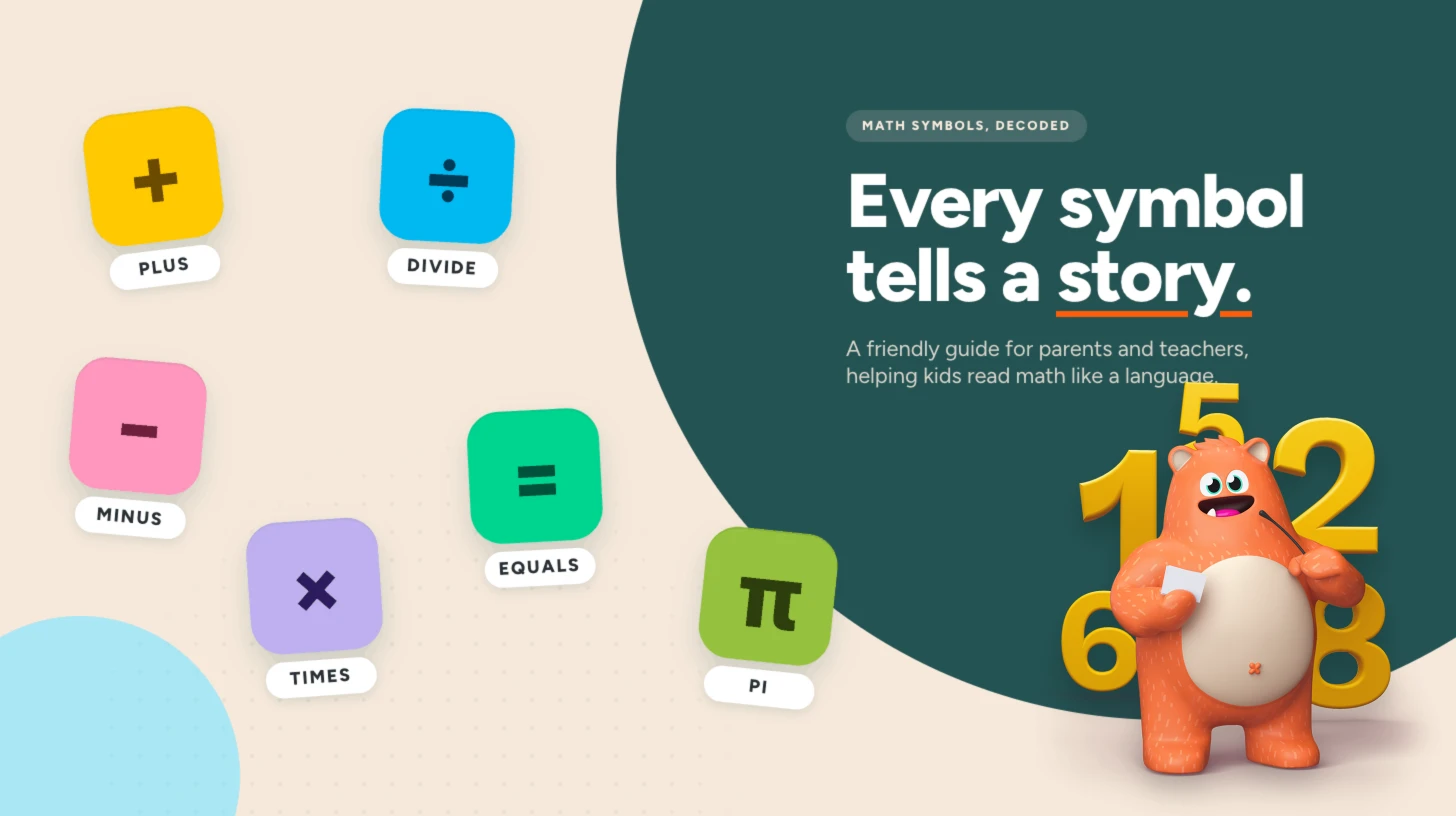
15 Fun and Easy Math Problems for First Graders

First grade is the perfect time for kids to build a strong foundation in math. Once they understand the key concepts, the next stages of learning are much easier to grasp. With a little fun and creativity, you can make these early math experiences engaging and memorable!
Here are some simple and enjoyable math problems for 1st graders. You can use these for homework ,tutoring, or at-home practice. Feel free to add your own twist to make it more exciting, and to help them build their math skills!
Why Fun Math Practice Matters for First Graders
First grade is a critical stage for developing a strong foundation in math. When children grasp the basics, like counting and arithmetic, they’re better prepared for more advanced topics like multiplication and division.
But why make math fun? Well, research shows that students learn more effectively when they have fun. A positive learning experience helps reduce stress and makes it easier for kids to remember what they’ve learned. By turning math problems for 1st graders into a fun game, you you can create an effective learning experience that can:
- Encourage a love for learning
- Strengthen problem-solving and number sense
- Boost confidence in math

Skills First Graders Are Learning
In first-grade math, kids typically learn the following concepts:
Counting and Number Patterns
Before learning operations, children need to recognize numbers, their sequence, and how to count to a certain number. This will help them understand how numbers work and how patterns can form.
Basic Addition and Subtraction
Kids need to learn how numbers can be added or subtracted. Once they understand how this can be applied, they can start adding and subtracting larger numbers.
Understanding Shapes and Measurement
Shapes make up everything around us, so recognizing different shapes can help children see the math all around them. They’ll be able to tell which shapes are bigger or longer, and then they can apply that knowledge to basic geometry.
Simple Word Problems
You might find your child responds to “If you have one candy and I gave you four more, how many do you have?” better than “What’s one plus four?” Word problems connect math concepts with everyday logic in a language they best understand.
15 Fun and Easy Math Problems for First Graders
Here are some math problems for 1st graders with answers you can use for math homework, tutoring, and creating your own ways to make math more fun!
Counting & Number Recognition
Count the apples in the picture! How many apples are there?
What number comes before 15 and after 13?
Count by 2s to get from 0 to 20!
Addition
What is 4 plus 3?
If you have 5 balloons and get 2 more, how many balloons do you have in total?
Add the numbers in each box!
Subtraction
What is 9 minus 4?
You have 8 cookies. You ate 3. How many are left?
You have 6 pencils and give away 2. How many pencils do you have now?
Shapes & Measurement
What are the shapes in this picture?
Which is longer: the pencil or the crayon?
How many sides does a rectangle have?
Simple Word Problems
Mia has 3 apples. Sam gives her 4 more. How many apples does she have now?
There are 10 ducks in a pond, but 6 fly away. How many ducks are left in the pond?
You have 5 red marbles and 5 blue marbles. How many marbles do you have altogether?
Making Math Even More Fun With Prodigy
When you engage your child or student, you can help them learn more effectively. With Prodigy’s game-based learning, you can turn math topics into interactive adventures.
In our game, first-graders can play as magical characters in a world where casting spells and winning battles means solving math problems. In-game rewards like points and coins can motivate them to keep winning.
Underneath the fun and excitement, our programs use an adaptive algorithm that ensures students are getting questions that are conducive to their learning. Parents and teachers can use our tools to assess how far their children are progressing. You can integrate Prodigy into home and school learning plans — whatever fits your child’s needs and pace best!
Tips for Parents and Teachers
Every child learns differently. Whether you’re a teacher with a small class or a parent who wants more educational fun for your child, keep these tips in mind to make learning more effective:
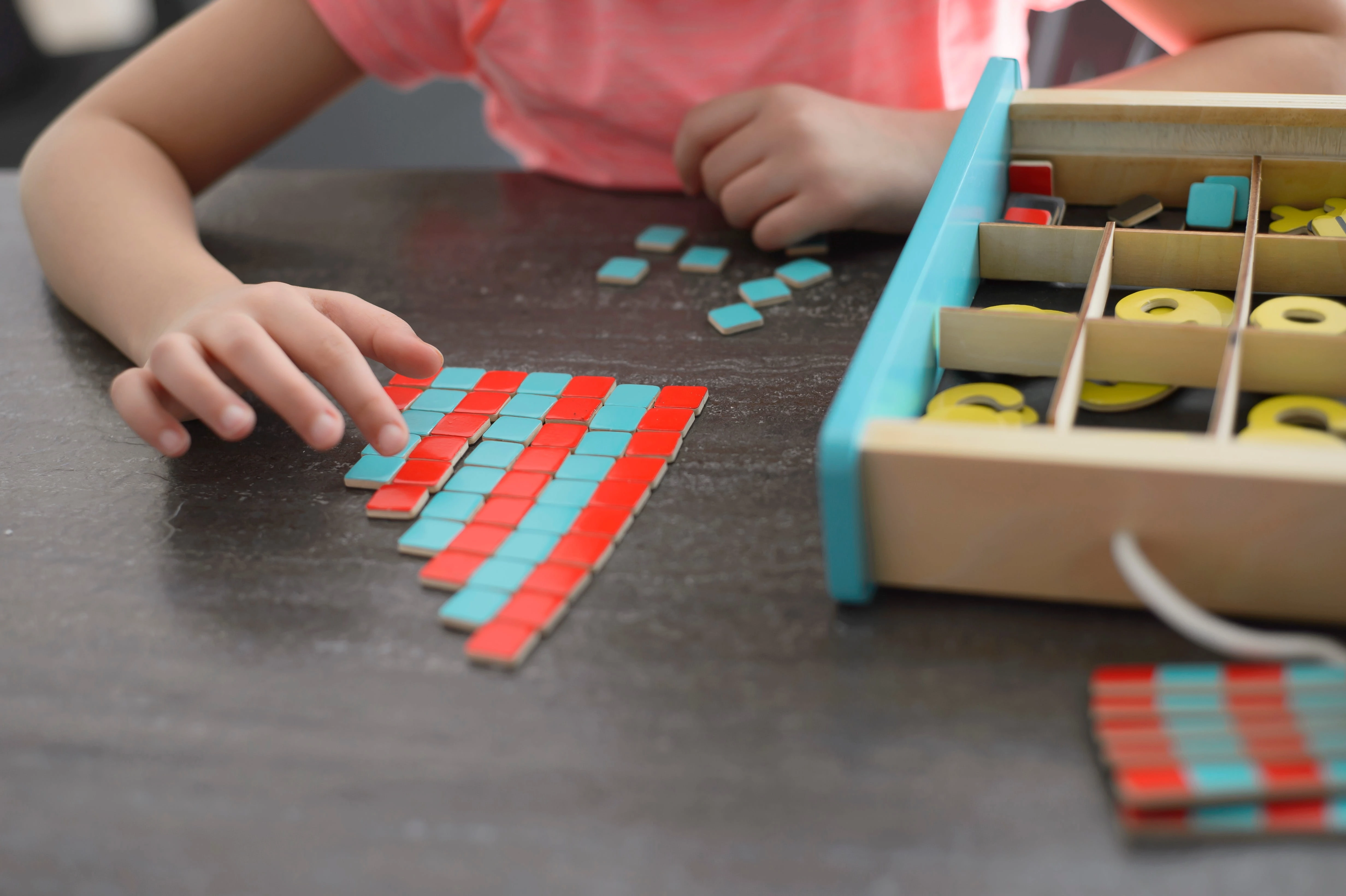
- Use Visuals and Hands-On Objects: Instead of simple math equations on a piece of paper, use visuals to make concepts clearer. Try everyday objects like pencils, cups, flowers, or anything around you to help count, add, and subtract.
- Praise Effort and Persistence: Don’t just reward correct answers. Some children learn at different paces and need time to grasp certain concepts. Recognizing effort and perseverance to learn can motivate them to keep going until they succeed.
- Keep Sessions Short and Playful: Fun makes learning more memorable, but too much can get overwhelming. Set clear time limits to games and include short breaks to help kids recharge.
Turn Math Practice Into Playtime!
These math problems can help make learning more fun for your kids. With a combination of classroom learning, real-life applications, and interactive learning tools like Prodigy, you can give them a well-rounded learning experience.
Give your first grader a head start in math with fun, interactive problems in Prodigy.