Cool Math Games to Play at Home
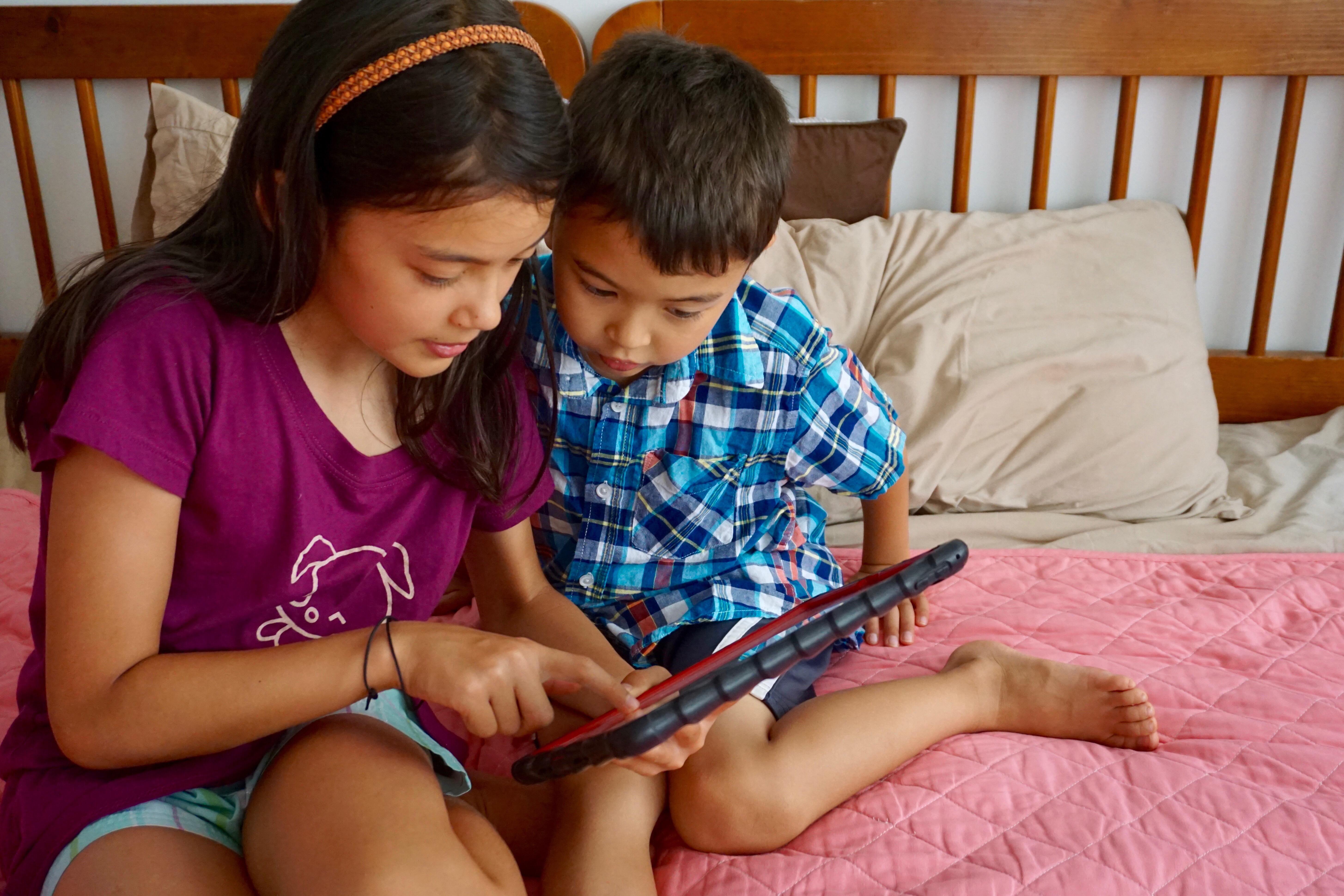
Looking for classroom ideas too? See our companion piece on cool math games for the classroom.
The benefits of math games at home
Cool math games to play at home are low-pressure activities, both offline and digital, that build number sense and confidence through play rather than drilling. Math practice doesn't have to look like more homework. With a deck of cards, a handful of coins, or a few minutes online, math can become part of the fun a family is already having.
Keeping math practice going once the school day ends can feel like a battle nobody wants to fight. Kids want playtime. Parents want that time to count. Cool math games to play at home don't have to force a choice between the two. Below are game ideas sorted by what's on hand: screen-free options using things already in the house, math hiding in everyday routines, and online games built for extra practice.
Learning scientists have found that short, playful sessions can build number sense. A 2025 review of 18 studies on linear-number board games (games where players move along a numbered path, similar to Chutes and Ladders) found real improvements in children's numeracy, with benefits showing up in sessions as short as 10 minutes.
Math also tends to fade faster than other subjects when kids go without regular practice, so a little consistency at home helps keep skills fresh as the school year gets rolling. None of this requires a parent who's confident in math themselves. Researchers have also found that a parent's own comfort with math tends to rub off on their kids, so the goal isn't to be perfect. It's to make math feel approachable, one game at a time.
Screen-free games using what you have
These need no prep, no login, and nothing families don't already own, and most can be scaled up or down depending on a child's grade level.
- Dice race to 20. Roll two dice, add the numbers, and keep a running total. First to reach or pass 20 wins. Great for addition practice and mental math speed. For older kids, add a third die or race to 50.
- War, with a math twist. Deal out a deck of cards and play the classic game of War, but flip two cards each and add them together instead of comparing single cards. Highest sum takes the pile. Great for addition and quick comparisons.
- Coin sort and count. Dump out a jar of spare change, sort it by value, then count the total together. It's hands-on practice with money math and place value.
- Sticky note math hunt. Write simple problems on sticky notes (addition, subtraction, or multiplication, depending on grade) and hide them around a room. Kids solve each one they find, then check answers together.
Turn everyday moments into math practice
Some of the best practice happens without anyone announcing "it's time for math."
- Kitchen measuring. Baking or cooking together is a natural way to practice fractions: doubling a recipe, splitting ingredients in half, or converting cups to tablespoons.
- Grocery store estimating. Give kids a running total to track, or a small budget to manage, while shopping, then compare their estimate to the receipt at checkout. Good practice with addition, subtraction, and rounding.
- Family game night. Classic board and card games that involve counting, strategy, or probability count as math practice too, no extra setup required.
Online math games worth trying
For the moments when screen time is already part of the plan, not every online game is created equal. It's worth knowing the difference between games built purely for entertainment and ones built around real grade-level skills.
Prodigy Math is a game-based learning platform that turns math practice into an adventure, with curriculum-aligned questions built for grades 1–8. As kids play, they answer math questions to progress through the game, so practice happens inside the fun rather than interrupting it.
Research has proven that Prodigy has been shown to help students build stronger math skills.*
One parent, Samantha Moyer, put it this way: "I love watching my child play Prodigy. It is something that not only we can do together, but it allows me to see and understand what he is working on in math."
Consistency matters too. Intentional Prodigy use has been shown to drive stronger math outcomes.* As one parent, Caralena Luthi, shared: "Prodigy is a great way to get kids who don't like math into math."
Kids can play Prodigy Math at home, and parents can create a free account to see what their child is working on and support their learning, without needing to be a math expert themselves. Visit the Prodigy parents page to learn more.
Create a free account and start playing today.
*Among multiple studies commissioned by Prodigy Education. Individual results may vary, results are not guaranteed.
Keep it simple and low-prep
A few habits make math games easier to stick with:
- Pick one or two games to rotate through, rather than something new every day
- Let kids choose which game to play, since buy-in matters more than variety
- Keep sessions short. 10 to 15 minutes is enough to make a difference
- Mix screen-free and online options throughout the week, rather than picking just one
None of these games are meant to replace what happens in the classroom. They're simply a way to make practice time at home feel less like a chore and more like play.
Common Questions About Cool Math Games to Play at Home
Do math games help kids learn math?
Yes. Research on games like linear-number board games has found real improvements in children's numeracy, with benefits appearing after sessions as short as 10 minutes.
What are good screen-free math games?
Simple options using things already at home work well: dice games for addition, card games for comparing and adding numbers, and coin sorting for money math and place value.
How much math practice do kids need?
Short, consistent sessions tend to work better than long, infrequent ones. 10 to 15 minutes a few times a week is a reasonable starting point for most grade levels.
Is Prodigy free to play at home?
Yes. Kids can play Prodigy Math at home, and parents can create a free account to view their child's progress and support their learning.