Math Games for 1st Grade: Small Wins, Big Confidence
Part of a guide to math games for teachers and parents.
What 1st Graders Are Learning in Math This Year
First grade math centers on addition and subtraction within 20, recognizing and describing basic shapes, and simple measurement concepts like longer, shorter, heavier, and lighter. It is the year most kids move from counting on their fingers to starting to just know the answer.
Why Games Work Better Than Flashcards at This Age
Flashcards ask a 6 or 7 year old to sit still and drill, which works for some kids and completely backfires for others. A game asks for the same repetition, addition facts, counting, comparing, but wraps it in a turn, a roll, or a small win, which tends to hold attention much longer than a stack of cards.
8 Math Games for 1st Grade, by Skill
Addition facts
- Dice addition race: roll two dice, add the numbers, first to a target total wins
- Domino match: flip dominoes and add the two sides, matching sums to a number line
Subtraction facts
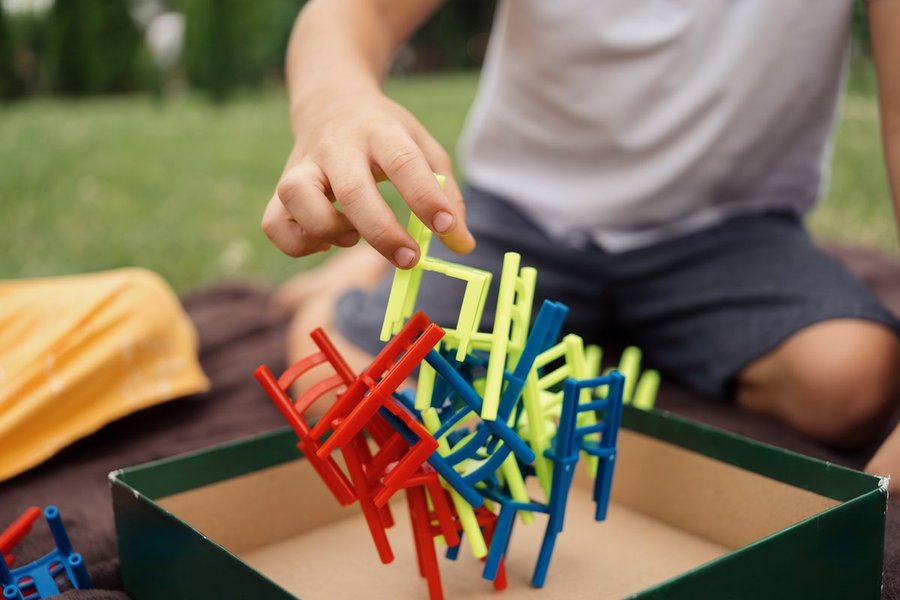
- Take-away tower: build a small block tower, remove blocks as you subtract, count what is left
- Subtraction bingo: call out a subtraction fact, students mark the matching answer on a card
Shapes and patterns
- Shape hunt: find real objects around the house or classroom that match a target shape
- Pattern block builder: continue a simple ABAB or ABC pattern with blocks or stickers
Simple word problems
- Story problem theater: act out a simple word problem with toys before solving it
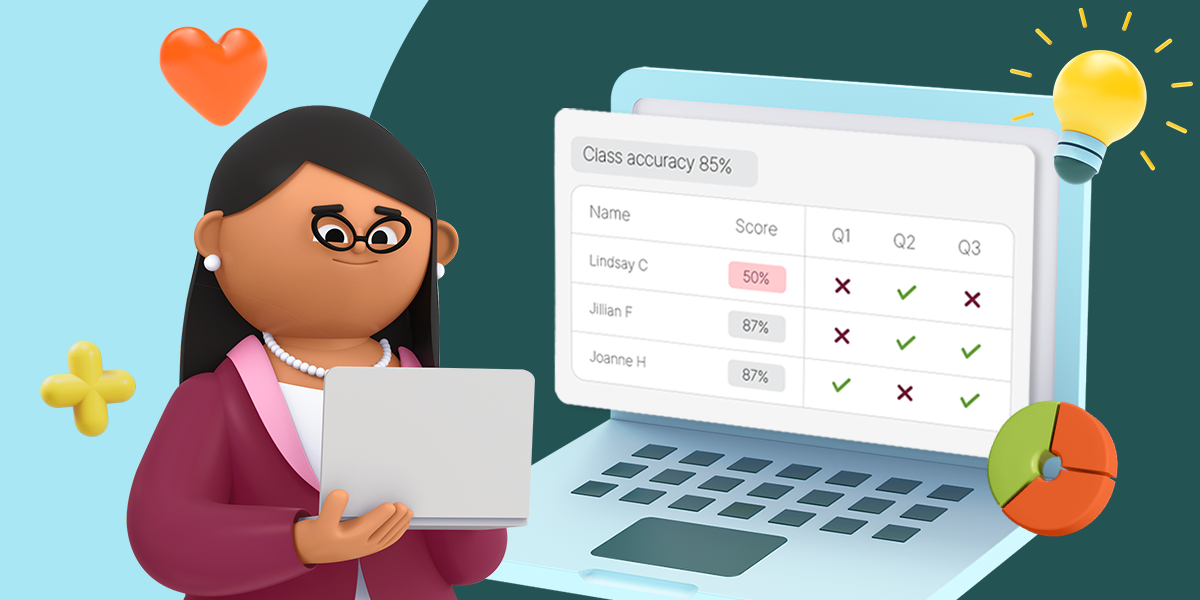
- Prodigy Math: an adaptive, standards-aligned game where 1st graders solve curriculum-based problems to progress through a story world
A 5-Minutes-a-Day Plan Parents Can Start Today
Five minutes of focused practice, most days, is enough at this age. Pick one game from the list above, play it once, and stop while it is still fun rather than pushing for a longer session. A short win most days beats a long session once a week.
"I love watching my child play Prodigy. It is something that not only we can do together, but it allows me to see and understand what he is working on in math."
Samantha Moyer, Parent
Starting the school year and want more no-prep ideas to build momentum before the first bell? See 20 fun math games to get kids excited for the new school year.
Common Questions About 1st Grade Math Games
How much math practice does a 1st grader need?
Around 5 to 10 minutes a day of focused practice is a reasonable target at this age, spread across a few short sessions rather than one long one.
Is it okay if my child uses games instead of worksheets?
Yes, as long as the game actually asks for the skill a worksheet would, like adding, subtracting, or recognizing a shape. The format matters less than whether real practice is happening.